
Touch Grass
by Keri Stewart
Poetry Editor of Barnstorm Journal
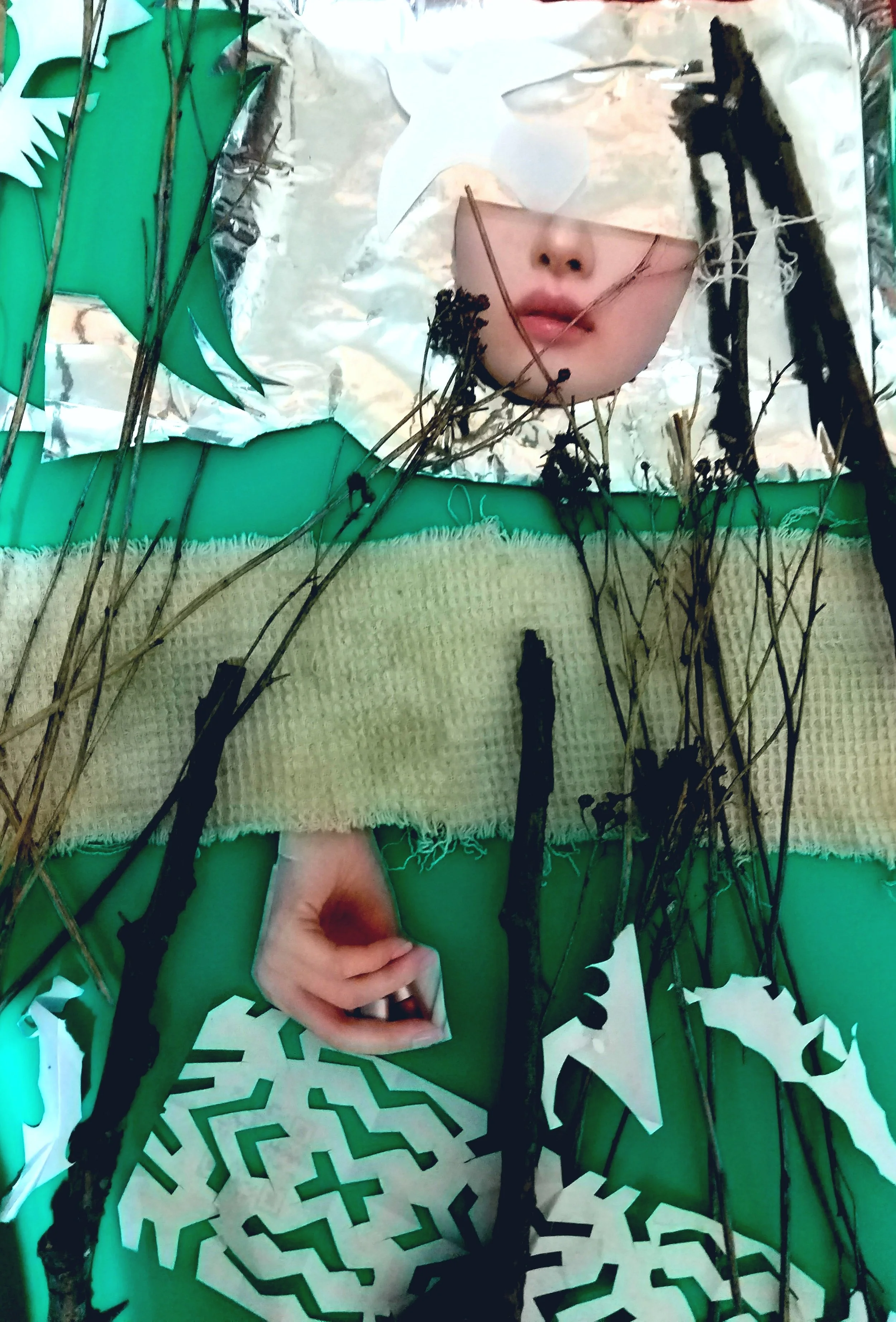
Image: “Dreams” by Nasta Martyn
From time to time we often find ourselves struggling with writer’s block whether that be the void of an idea in the brain or an uncertainty with how to get the words on the page. I know for me I go through periods where I feel particularly un-writerly; most notably during depressive episodes or that time I got whiplash/a concussion. Sometimes, the words just don’t come to me as if I’m suddenly allergic to language. Bummer!
After writing for over a decade, I’ve had my fair share of writer’s block and discovered that the key to rediscovering language is to break my routine. I don’t mean stop going to work or forgetting to breathe, but rather, switching up my writing habits to something different, something new and exciting. The idea of novelty can scratch up the right itch in my brain and voilà my creative juices have been reborn.
One of the many ways you can break your own writing habit is by changing the location for your next writing session. Used to sitting at your desk, hunched over spinning in circles waiting for an idea? Forget that. Go to your local cafe and listen to the buzz of voices and the coffee machines. Let each of your senses be a guide. Most commonly we use visual images, but don’t forget about the other senses: smell, touch, taste, and sound. Though I work as a barista so a coffee shop is more of a reminder of the 9-5 I have after graduating, it’s still been worthwhile for me to escape my natural habit (my apartment) to my favorite local cafes for writing time.
This breakage of routine does a wonderful job of inspiring novelty and excitement, and yet too does it remind us of our free will. Yes, we have the power to think and act on our thoughts. Right now, I could decide to juggle my birding binoculars and some books. I could do just about anything (under the realms of this human body). With that in mind, it’s important to realize that our break from our writing habits, specifically our writing caves, can be to unusual places. For you, your writing free will may take you on a journey to your local Ikea, a steakhouse, or even your own backyard.
Personally, my favorite spot to write poems is the Rachel Carson Wildlife Refuge in Maine. There’s one bench there with a beautiful view of the salty marshland. I always see a handful of egrets, seagulls, terns, and on occasion: a bald eagle or belted kingfisher. I could just sit, watch, and smell the salt air all day because all of these senses inspire creativity and help destroy the evil nature of writer’s block.
I personally recommend going outside and touching grass. Like actually just go outside, put your bare feet on the grass, and start writing some poems (or prose if you prefer). Get your senses tingling. There are so many beautiful things to admire outside and observe that you’re bound to find inspiration somewhere. Take notice of all the unusual things. Look closely at that one ant in the whole troop or do a cartwheel (because free will) and then write as much as you can about that movement. It doesn’t have to be good writing. It just has to exist. Get something down on the page by moving your body to different locations and writing outside of your routine.
You don’t need to worry about writer’s block. Just go somewhere new and step outside. Take note of everything you see and the inspiration will come shortly after.
And remember that writer’s block isn’t forever. It’s temporary and you’ve been writing a lot longer than you’ve had writer’s block.
Just touch some grass and you’ll be alright.
Keri Stewart is a neurodivergent poet who explores nature, whimsy, and psychological themes. She has been featured/forthcoming in a handful of magazines such as Lone Peak Literary Magazine, INKWELL, Querencia Press Quarterly Anthology, and more. She currently works as a Birding Tourism Columnist for Blinter Magazine and is the 2026-2027 Poetry Editor of Barnstorm Journal. In her spare time, she can be found birding and embodying whimsy.
Nasta Martyn is an artist, graphic designer, illustrator, and poet. In 2020, she took part in more than 50 projects. Her poster received a silver award and a special jury prize in China. She draws on social and environmental themes. Many of her works are dedicated to mythical creatures. She created a series dedicated to northern folklore.