Be Good Liars
by Fiction Editor Gavin “Busy Man” Pritchard
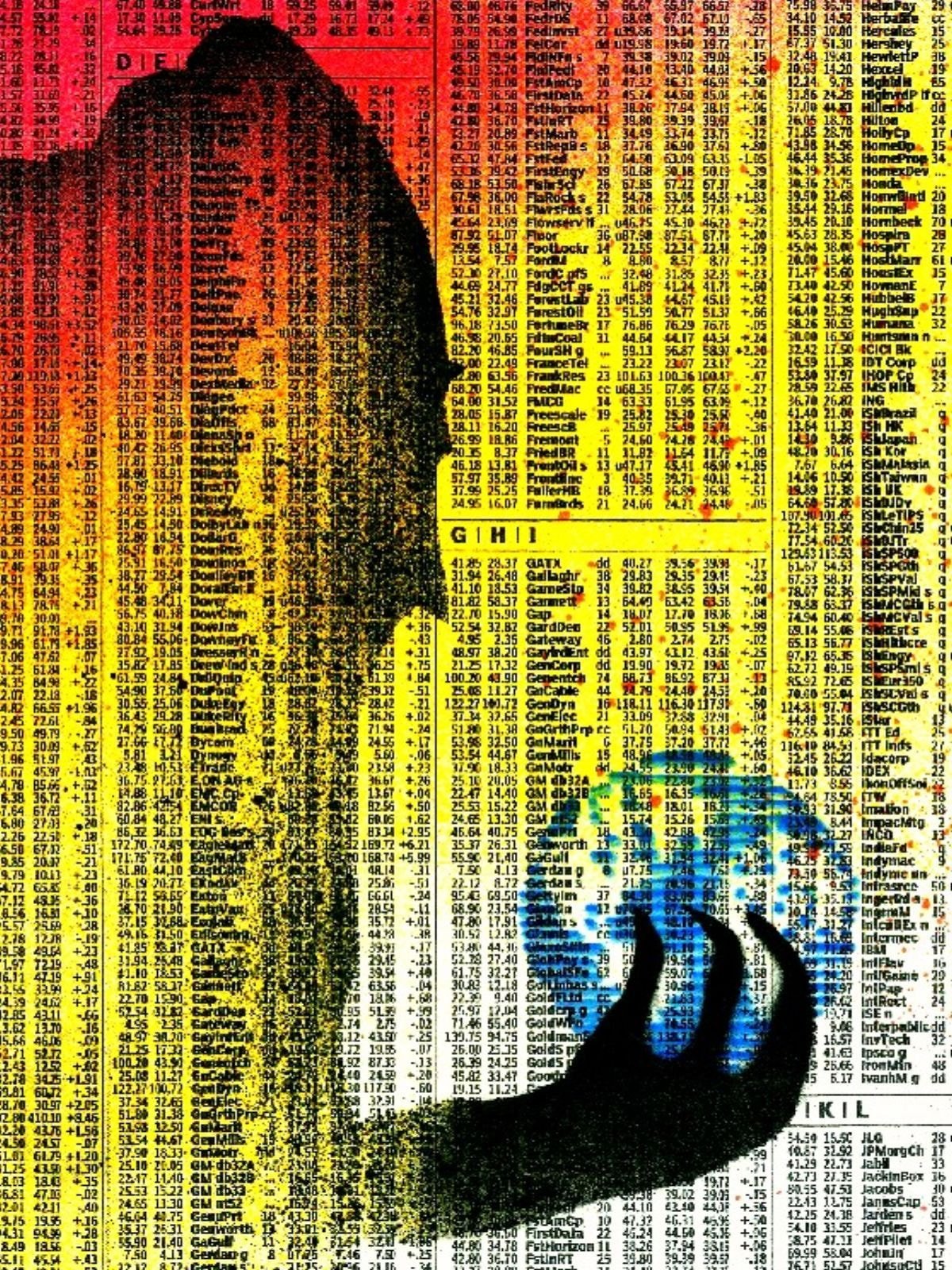
Image: “Pollution” by Fabio Sassi
In fiction, good lying is vital. Good liars are interesting. They’re fun, even.
The horrible rotten truth is fiction writers need to be good liars.
But bad liars just make your reader sad and bored. For example, I feel that everyone has met some version of that one ‘kid’. You know who I’m talkin’ about. You were in elementary school. It was the summertime, and you were playing on the green jungle gym by that tall Northern Red Oak tree. You were hanging from the bars when that one kid cornered you, and he wouldn’t stop talking about his dad who worked at Nintendo. You didn’t believe him because he was often completely full of it. He didn’t have Pokémon Platinum early, even when he said he would. Also, you knew his dad worked in IT at the school and never mentioned Nintendo in his entire life.
The kid’s story had no truth behind it. His lies were based on nothing and were easily dismantled with little thought. His narratives were boring because they were not based in any form of reality.
In short: bad liars waste time. In our work, we should avoid being a bad liar at all costs.
However, truthfulness is overrated in fiction. You don’t have to tell the truth. I have met plenty of writing instructors who like to say, Write what you know. But what does that even mean? Why would anyone want to read a fictional story that isn’t fiction? They really don’t. Nor should you limit yourself that way. Personally, I want to write more than one story featuring one man (aka me) making grilled cheeses at 1 AM. I want to write about different men making different sandwiches at all times of the day.
In fiction, a true/real story doesn’t automatically make an interesting narrative. Truth, for truths sake, is for nonfiction writers. They have a space for that type of narrative. By virtue of that space, nonfiction writers will always create real stories better than your average fiction writer. Nonfiction, in some ways, celebrates real events. But fiction writers must function differently. Even if something actually happened, it doesn’t make it a great story. If you’re a fiction writer, reality is overrated because your reader expects some form of dishonesty.
So, we shouldn’t lie, and we shouldn’t tell the truth. We need to do a little of both.
I think we just need to be the most interesting dudes at a rural bar. We need to enter that local bar (for me: it’s the Rainbow Trail in Owego, NY) and we need to tell a story after a couple of Picklebacks. We need to speak to strangers, and we need to entertain them. We need to get ‘em laughing. We need to get ‘em crying.
We need to be approachable. Grammar doesn’t matter. You don’t need highly academic theories or symbols. You don’t have to act smart to make people feel. Instead, we should tell true stories, but with plenty of embellishments. It’s okay to lie if what we’re circling is something real, honest, and vulnerable. Fiction needs to be grounded in something – even if we’re writing fantasy/sci-fi. Our narratives need to be in settings we’re intimate with or with relationship dynamics we have felt. Our narratives need pain. We need to place our maladies and joys and sorrows and loves into our work.
But we also need distance. Our main character isn’t us. Instead, the whole story needs to be some reflection of our inner selves. We deserve to be more than a single character. We need to be deliberate with our images. We need to be purposeful.
So, we’ll tell these stories at the rural bar of your choosing. And the folk there will love it. They will be all in, if you’re lucky. Then, we need to leave right when the narrative starts to get really interesting. After we’re gone, those folk will look around and go, Who the Hell was that? And no one should have an answer.
I won’t sugar coat it for you. It’s hard being a fiction storyteller. It’s hard being vulnerable. It’s hard being unable to take credit for your vulnerability. Readers will pretend to get it. Other writers will pretend too. Most people will try to find you within your work and pull out all the wrong parts.
It’s okay.
We’re artists.
It’s okay.
Just make sure to keep ‘em guessing.
Gavin Pritchard is the definition of a busy man. He’s an MFA candidate at the University of New Hampshire, where he also works as a Writing Assistant in the Connors Writing Center. He’s the fiction editor for the Barnstorm Journal and a co-host of the writing series Read Free or Die. When Gavin’s not keeping his nose to the grindstone, he can be found talking to himself in the shower or running on the treadmill.
Fabio Sassi is a photographer and acrylic artist. He enjoys imperfections, and reframing the ordinary in his artwork. Fabio lives in Bologna, Italy and his work can be viewed at https://fabiosassi.foliohd.com